
Managed Security Services Singapore
Attacks are scheduled for the hours nobody is watching. The tools most SMEs already own saw the 3am alert — they simply logged it, and by the time someone opened the console at 9am the encryption was finished. Managed security services Singapore businesses can afford put a person behind that alert while it still matters.
Monitoring, triage and containment by a Singapore team, with a written record of every decision — the record your insurer, your auditor and your board will eventually ask to read.
- 01:12Impossible travel — finance accountISOLATED
- 02:47Mass file rename on the shareCONTAINED
- 03:14New global admin createdTRIAGING
- 04:38Backup job failed, third nightESCALATED
- 05:52Outbound to an unknown hostBLOCKED
TAKE THE SHIFT BELOW — FIVE ALERTS, YOUR CALL
Managed Security Services Singapore — one night, five alerts, your call
Every one of these fired on a real kind of night, and every one of them was already visible to tools an SME can buy. What decides the morning is not detection — it is who is awake, what they are allowed to do, and how fast. Take the shift.
Pick a response on each alert. The dial fills for every one that was actually contained — not merely noticed.

Impossible travel
A finance account signs in from Singapore and, nine minutes later, from another country.
Both sign-ins succeeded, so nothing is blocked by default — the tenant simply records two locations nine minutes apart and waits for someone to read it. At 01:12 that someone has to be on shift, because the attacker is already inside the mailbox rules.
Source · Microsoft 365 sign-in log
EDR: mass file rename
One laptop starts renaming hundreds of files a minute on the shared drive.
No signature matches, because the tool doing the renaming is a legitimate one. What gives it away is the rate: hundreds of files a minute on a share that normally sees a dozen. Every minute of delay here is measured in folders.
Source · EDR agent · file-system telemetry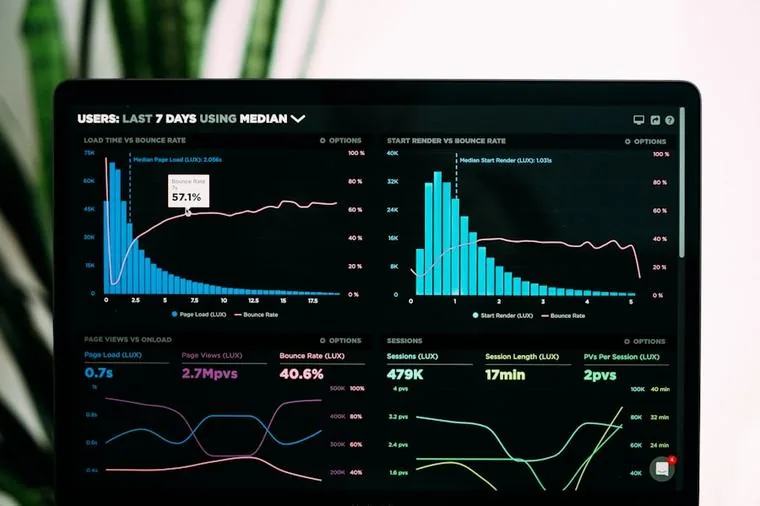
New global admin created
An account nobody recognises is granted global administrator in the Microsoft 365 tenant.
The account was created by an existing admin session, which is why nothing looks stolen. Consent-phished sessions are the most common way an SME tenant gets a second administrator nobody remembers hiring.
Source · Entra ID audit log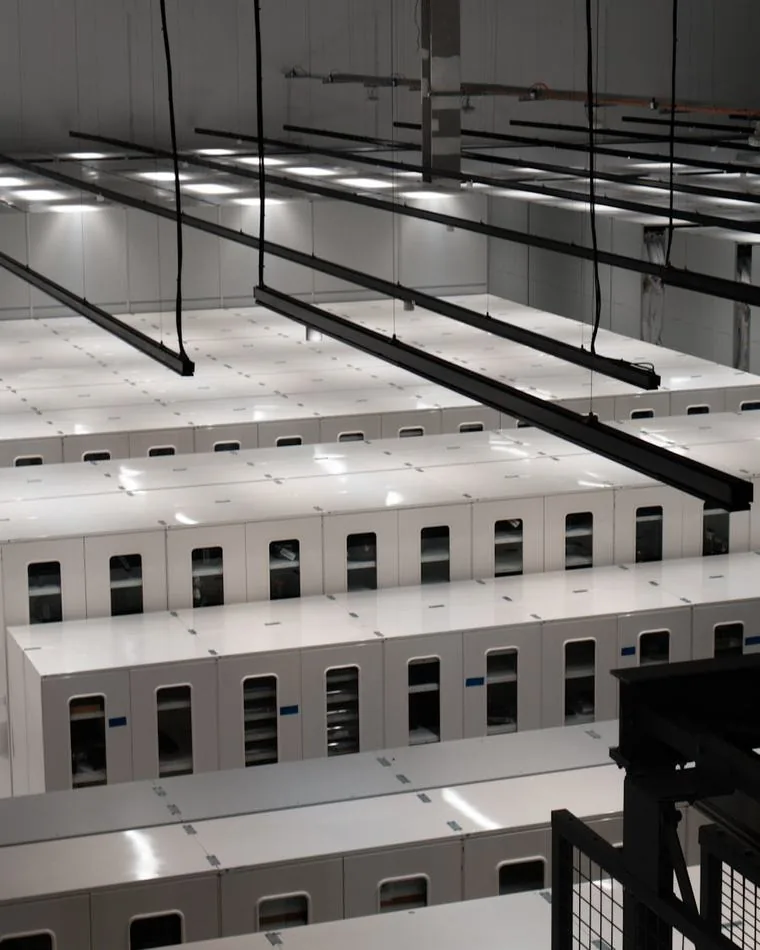
Backup job failed
The nightly backup fails on the file server for the third night running.
Two failed nights are bad luck; three is a pattern. The reason a backup job sits in a security watch at all is simple: on the night something does get encrypted, the restore is the whole difference between a bad morning and a bad quarter.
Source · Backup platform · job report
Firewall: outbound to unknown host
A workstation is sending steady outbound traffic to an address it has never contacted before.
The volume is small and steady, which is what exfiltration looks like when someone is being careful. Users never complain about it, so it is only ever caught by whoever is reading the egress log.
Source · Firewall · outbound session logManaged detection and response Singapore — four things that run continuously
Managed security is not a dashboard you are given a login to. It is four things running whether or not you look at them, with a person accountable for each.
Buying the tools is not the service. Arm the streams that are genuinely running in your business tonight.
The two questions that separate real monitoring from a licence
First: who is awake, and what may they do without waking you? Containment authority agreed in advance is the difference between four minutes and four hours. Second: what is written down? If an engagement cannot produce a timestamped record of the night, it cannot help you afterwards — with an insurer, a regulator, or your own board.
MSSP Singapore — how onboarding runs
Four steps from signature to the first monitored night, with the coverage window and the containment authority written down before anything is switched on.
Baseline
What you already own, what it already sees, and what it is currently doing with what it sees — which is usually nothing after hours.
Authority
The coverage window, the escalation contacts, and exactly what we may isolate, disable or revoke without a phone call first.
Deploy & tune
Agents out, log sources connected, and two weeks of tuning so that the alerts that reach a human are the ones that deserve one.
Run
The watch runs. You get the monthly record, a quarterly review, and a call the moment something needs your decision.
The gap every SME runs by default: the alert fires while the office is empty and is read when the office fills up again. Nothing in that requires a sophisticated attacker — only one who checks the clock, which is why so many intrusions are timestamped between midnight and six.
Managed security services Singapore — who ends up asking for it
Monitoring is rarely bought out of curiosity. It is bought because a policy renewal asked a direct question, a customer contract added a clause, or something already happened once.
Managed security services Singapore pricing — per device, per month, no surprises
What moves the number: how many endpoints and identities are watched, whether the window is business hours or genuinely round the clock, and how much containment authority you delegate. All three are agreed before onboarding.
Business-hours watch
Detection everywhere, human triage inside working hours — the honest starting point.
- EDR on every endpoint
- Identity and tenancy alerting
- Triage 9am to 6pm SGT
- Monthly record
Round-the-clock watch
The nights included, with containment authority agreed in advance.
- Everything in W-01, 24/7
- Automatic isolation on agreed triggers
- Named engineer calls your contact
- Quarterly review with the CISO
Regulated or multi-site
Log retention, sector requirements and evidence handling on top of the watch.
- Extended log retention
- Multi-site and multi-entity
- Evidence handling for insurers
- Board-level reporting
Indicative starting points for a Singapore SME. Endpoint counts and the coverage window are fixed in the agreement — incident handling inside the window is not billed separately.
SOC as a service Singapore — monitoring shortens the night, backups end it
Even a fast containment leaves damage behind, which is why the watch is paired with restorable, protected backups and a restore that has actually been tested. Detection decides how much you lose; recovery decides how long you are down. An MSSP that only sells you the first half is selling you half a night.

One accountable team across all three — the same engineers enterprises like NTU, Prudential and China Telecom have trusted with their infrastructure since 2012.
 The room · the copy · the cameras
MSSP Singapore — the layers the watch sits on
Monitoring is the layer that notices. These are the layers that mean there is less to notice — same Singapore team, one accountable scope.

Cyber Security Services Singapore →
The five layers, and the fractional CISO who decides what the watch is allowed to do at 3am.
Penetration Testing →
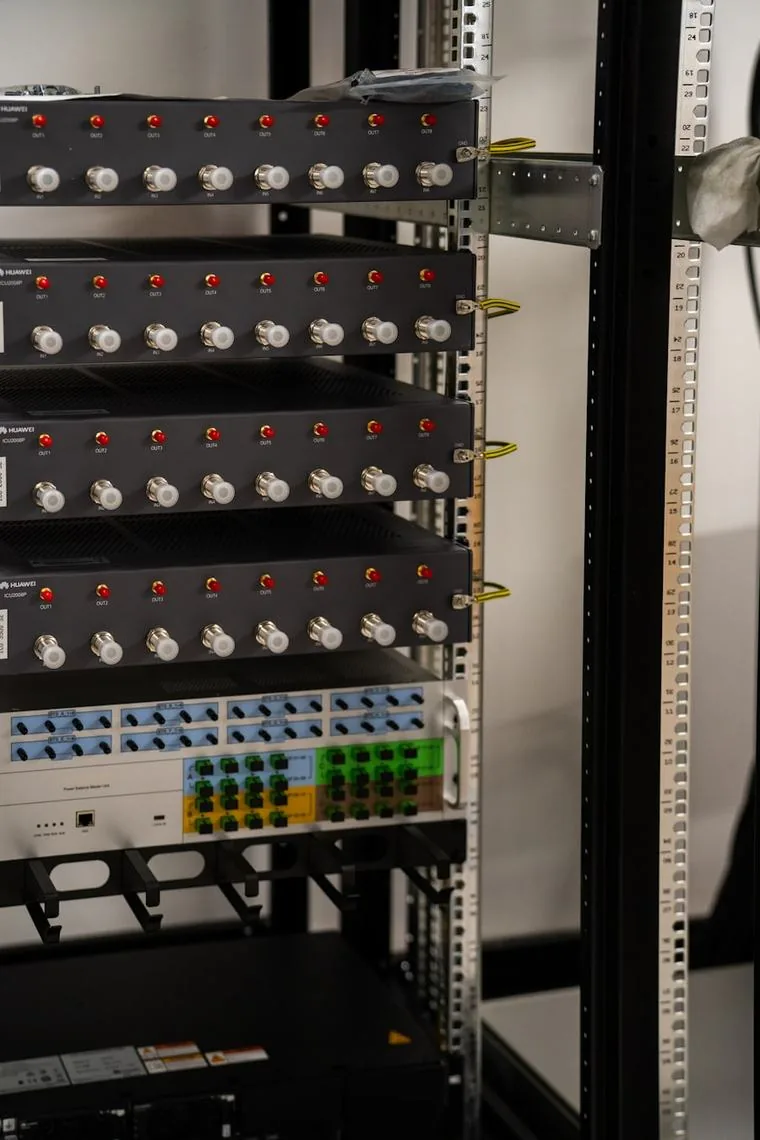
A test shows the path. Monitoring is what catches someone walking it on a Tuesday night.

DPO as a Service →
The notification clock starts when the incident is discovered — which is exactly what the watch is for.
Cyber Essentials & Cyber Trust →
Monitoring and response are preparedness domains at the higher tiers. The monthly record is the evidence.
Frequently asked questions
A managed security service provider runs the detection and the response for you: the tools, the tuning, the person who reads the alert at 3am, and the record of what was done. You keep the decisions that are genuinely yours; everything below that line is delegated in writing.
Antivirus matches known bad files. Modern intrusions use legitimate tools and stolen credentials, which is why detection has to watch behaviour instead — and why somebody has to act on what it sees rather than filing it.
Whatever you agree in the onboarding conversation and nothing more. Most clients delegate device isolation and session revocation, and keep decisions like disabling a production service or notifying customers for themselves.
In practice the labels overlap: MSSP Singapore providers sell the tooling and the watch; SOC as a service Singapore usually means the analysts and the process on top. What matters is the answer to two questions - who is awake, and what may they do without calling you first.
Triage and the call you receive come from the Singapore team — the same engineers who know your environment, in your timezone. That matters at 3am, when the useful question is not what the alert says but what that server does.
Fewer than the tools produce, which is the point. The first two weeks are tuning; after that, you hear from us when something needs a decision, and everything else appears in the monthly record.
No — and if we already run your IT, the same team simply covers both, which removes the finger-pointing that happens when the monitoring vendor and the IT vendor are different companies.
Contain first inside the agreed authority, call the named contact, then work the incident with the written record running throughout: what fired, what we did, what was affected, what needs a decision. That record is what an insurer or the PDPC will read afterwards.
Deployment is normally a couple of weeks: agents out, log sources connected, then tuning. The coverage window and containment authority are agreed before anything is switched on.
Book a monitoring review
We look at what your existing tools already see, what happens to those alerts after hours today, and what it would take to put a person behind them — then quote a coverage window in writing.